

By Elango.N
Technical Director, Team Force Institute of Sports, Trichy, Tamil Nadu
Why Health and Fitness Matter
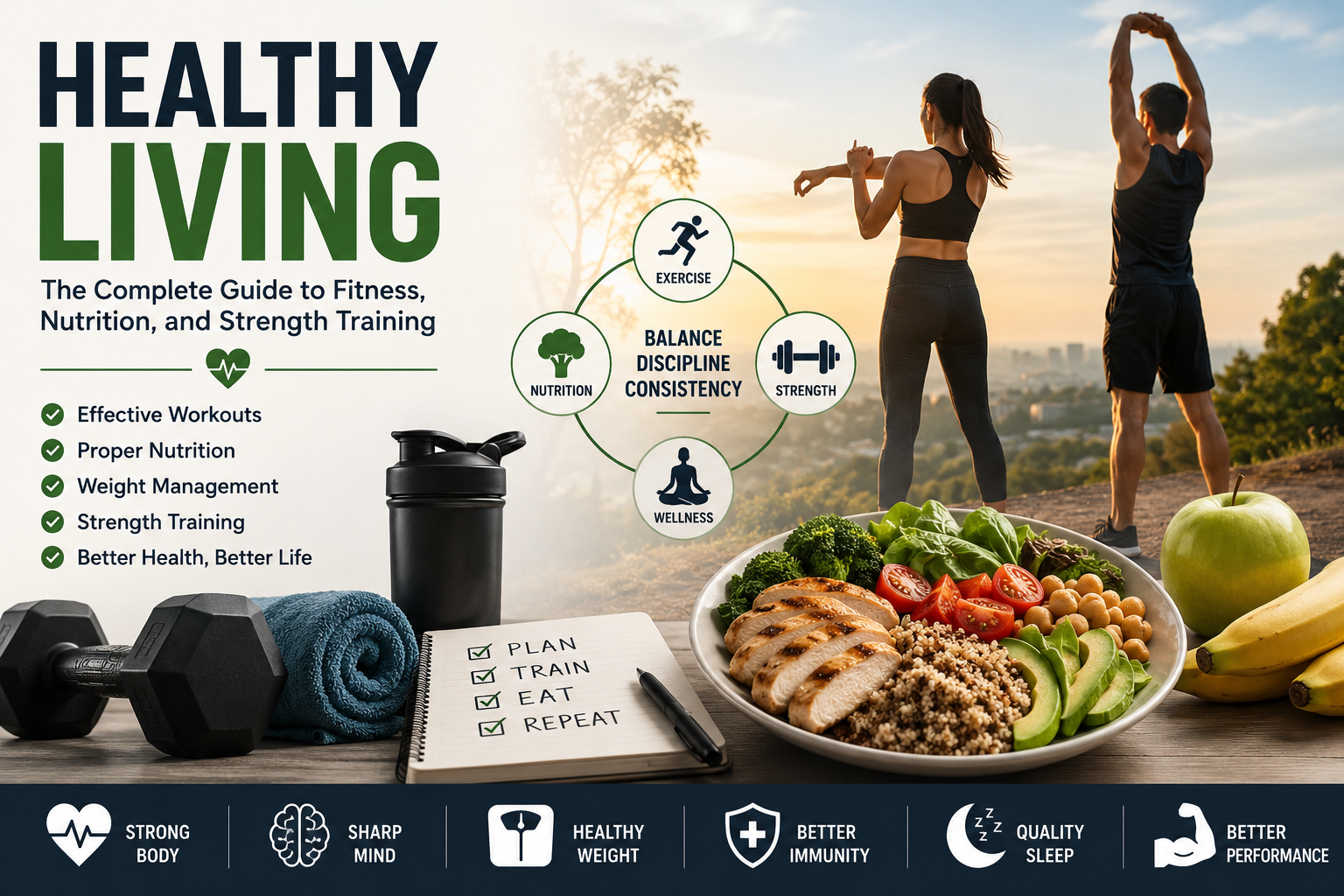
In today’s fast-paced world, maintaining a healthy lifestyle is more important than ever. Whether you’re an athlete, student, working professional, or fitness enthusiast, good health forms the foundation for success in every aspect of life. A balanced combination of exercise, proper nutrition, adequate recovery, and healthy habits can significantly improve both physical and mental well-being.
The Power of Regular Exercise
Physical activity offers numerous benefits that extend far beyond appearance.
Physical Benefits
- Improves cardiovascular health and circulation.
- Builds muscle strength and endurance.
- Enhances flexibility, mobility, and joint function.
- Supports healthy weight management.
- Increases energy levels and reduces fatigue.
Mental Benefits
- Reduces stress and anxiety through the release of endorphins.
- Improves focus, memory, and mental clarity.
- Promotes better sleep quality and recovery.
Choosing the Right Workout
Different types of exercises serve different purposes:
Aerobic Training
Running, cycling, swimming, and walking improve endurance and heart health.
Strength Training
Resistance exercises and weight training help build muscle, improve bone density, and increase metabolism.
Flexibility and Balance Training
Yoga, stretching, and Pilates enhance mobility, posture, and injury prevention.
High-Intensity Interval Training (HIIT)
Short bursts of intense exercise combined with rest periods provide efficient cardiovascular and strength benefits.
Aquatic Exercises
Ideal for rehabilitation, joint health, and low-impact fitness training.
Nutrition: Fuel for Performance
Exercise alone cannot deliver optimal results without proper nutrition. The body requires the right balance of carbohydrates, proteins, fats, vitamins, and minerals to perform effectively.
Why Proper Nutrition Matters
- Provides energy for workouts and daily activities.
- Supports muscle recovery and growth.
- Maintains healthy metabolism.
- Strengthens bones and improves overall health.
Understanding daily maintenance calories helps individuals adjust their food intake according to their goals, whether they aim to lose weight, gain muscle, or maintain their current body composition.
Understanding Intermittent Fasting
Intermittent fasting has become a popular nutritional strategy for improving metabolic health and supporting weight management.
Common methods include:
- 16:8 Method – 16 hours of fasting and an 8-hour eating window.
- 5:2 Method – Normal eating for 5 days and calorie restriction for 2 days.
When practiced correctly, intermittent fasting may support fat loss, improve insulin regulation, and encourage cellular repair processes.
Healthy Weight Gain and Weight Loss
Healthy Weight Gain
To gain weight effectively:
- Consume a moderate calorie surplus.
- Focus on nutrient-dense foods.
- Prioritize protein intake.
- Engage in regular strength training.
- Eat consistent meals throughout the day.
Sustainable Weight Loss
For healthy weight loss:
- Maintain a moderate calorie deficit.
- Combine cardio and strength training.
- Choose nutrient-dense foods.
- Stay hydrated.
- Avoid extreme dieting practices.
Fat Loss vs. Muscle Loss
Many people focus only on the number displayed on the weighing scale. However, understanding the difference between fat loss and muscle loss is crucial.
Fat Loss
Occurs when the body utilizes stored fat for energy, resulting in improved body composition and a leaner physique.
Muscle Loss
Can occur due to excessive calorie restriction, inadequate protein intake, or lack of resistance training, leading to reduced strength and slower metabolism.
To preserve muscle while losing fat:
- Maintain adequate protein intake.
- Follow a moderate calorie deficit.
- Include regular strength training sessions.
Strength Training: Building a Stronger Body
Strength training is one of the most effective ways to improve overall health and athletic performance.
Beginner Guidelines
- Start with bodyweight exercises such as squats, lunges, push-ups, and planks.
- Prioritize correct technique before increasing resistance.
- Train all major muscle groups.
- Aim for 2–3 sessions per week.
Progressing to Advanced Training
As strength improves:
- Gradually increase resistance.
- Apply progressive overload principles.
- Utilize split-training routines.
- Focus on compound movements such as squats, deadlifts, and bench presses.
Benefits of Strength Training
- Increases muscle mass and metabolism.
- Improves bone health.
- Enhances daily functional movement.
- Reduces injury risk.
- Supports long-term physical independence.
Conclusion
A healthy lifestyle is not built through exercise alone. True fitness comes from combining effective training, balanced nutrition, proper hydration, adequate sleep, and consistent healthy habits.
Whether your goal is weight loss, muscle gain, improved athletic performance, or overall wellness, success depends on a sustainable and balanced approach. By making informed lifestyle choices and remaining consistent, individuals can achieve lasting health, stronger bodies, and better performance for years to come.
At Team Force Institute of Sports and Trichy Archery Academy, we believe that fitness is not just about training harder—it is about living healthier every day.